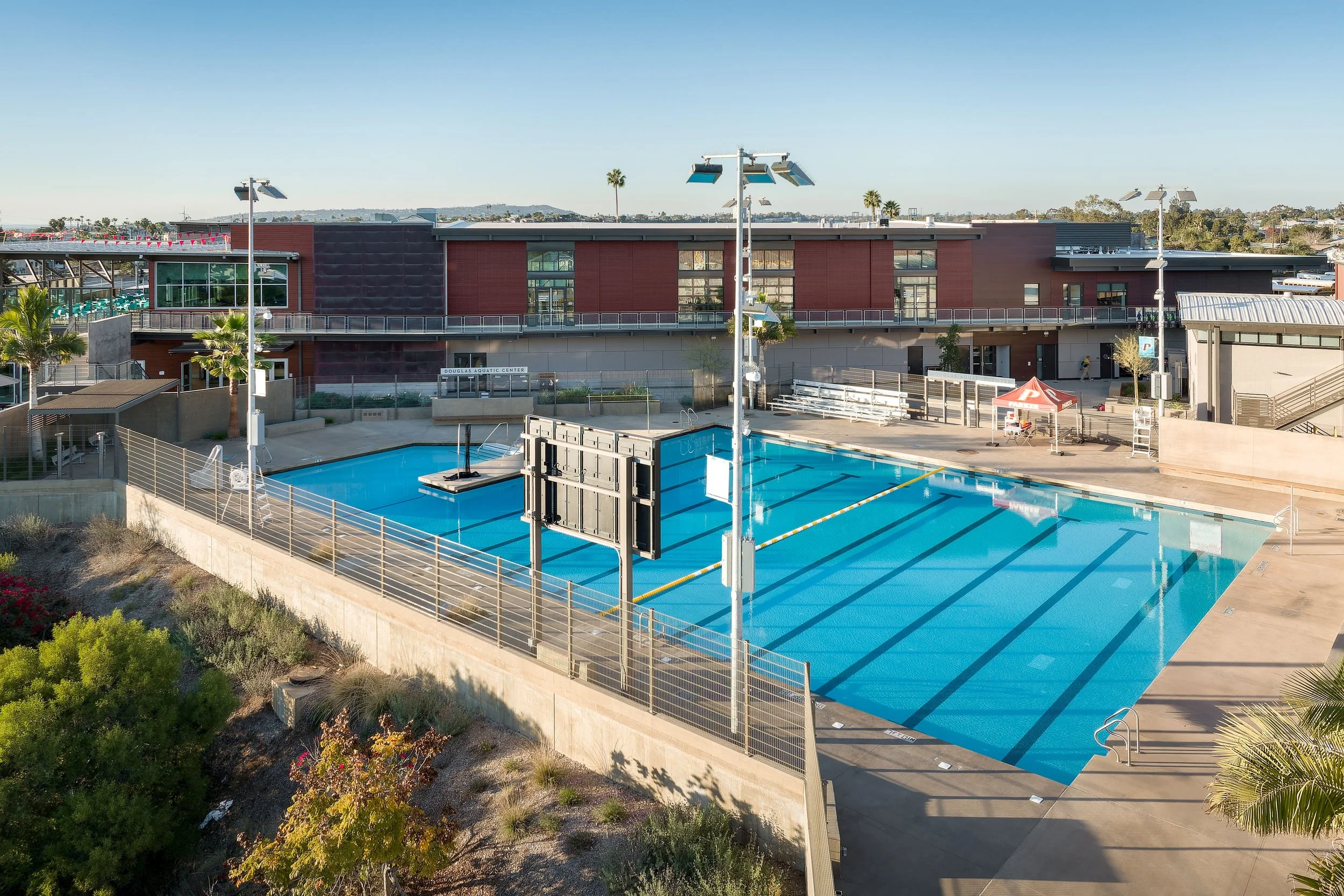
It’s a sweltering Tuesday afternoon in July, and the local aquatics center is at capacity. On one side of the pool, a group of high school athletes tries to squeeze in a workout, while on the other, a summer camp of 50 grade-school students splashes in the shallow end. In the middle, a frustrated older adult searches for a quiet corner for water aerobics. Although the water is chemically balanced and the lifeguards are vigilant, the atmosphere appears tense. Built 20 years ago for a simpler era of “lap lanes and ladders,” the facility is bursting at the seams. Despite the high attendance, the park and recreation director knows the truth: the community has outgrown the architecture.
Many municipal pools face a common problem as they reach the 15- to 20-year mark: the “middle-age decline.” A facility maintained with great care can still see fewer visitors if its design no longer matches current community needs or when newer facilities open nearby. When the physical layout of the aquatics center limits functionality, you can start to see a diminishing return on your investment, even if the building itself remains in pristine condition. To keep these spaces successful, we need to take a fresh look at the community’s needs. By moving from rigid, old-school designs to more modern flexible systems, we can bridge the gap between yesterday’s blueprints and today’s community demands.
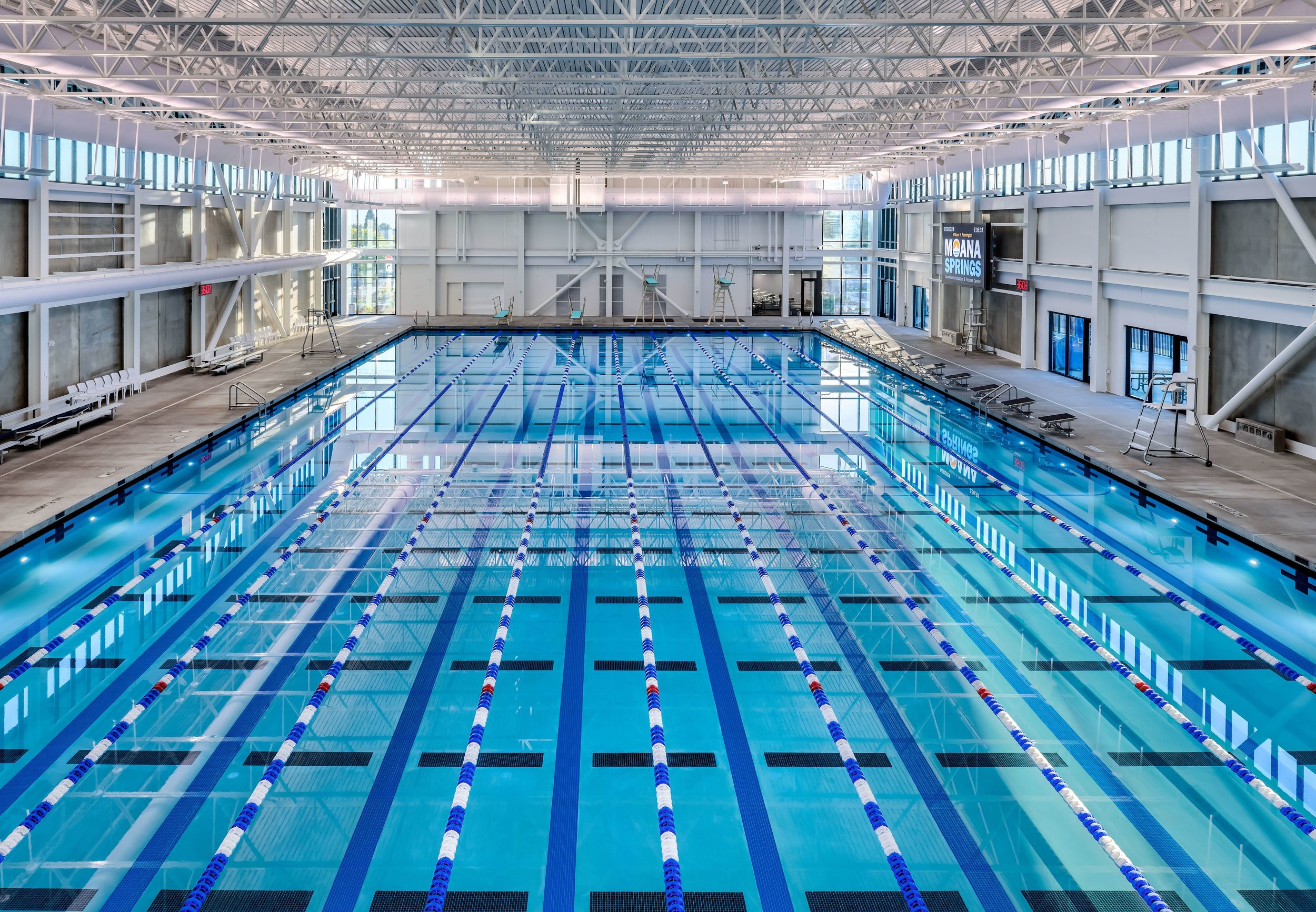
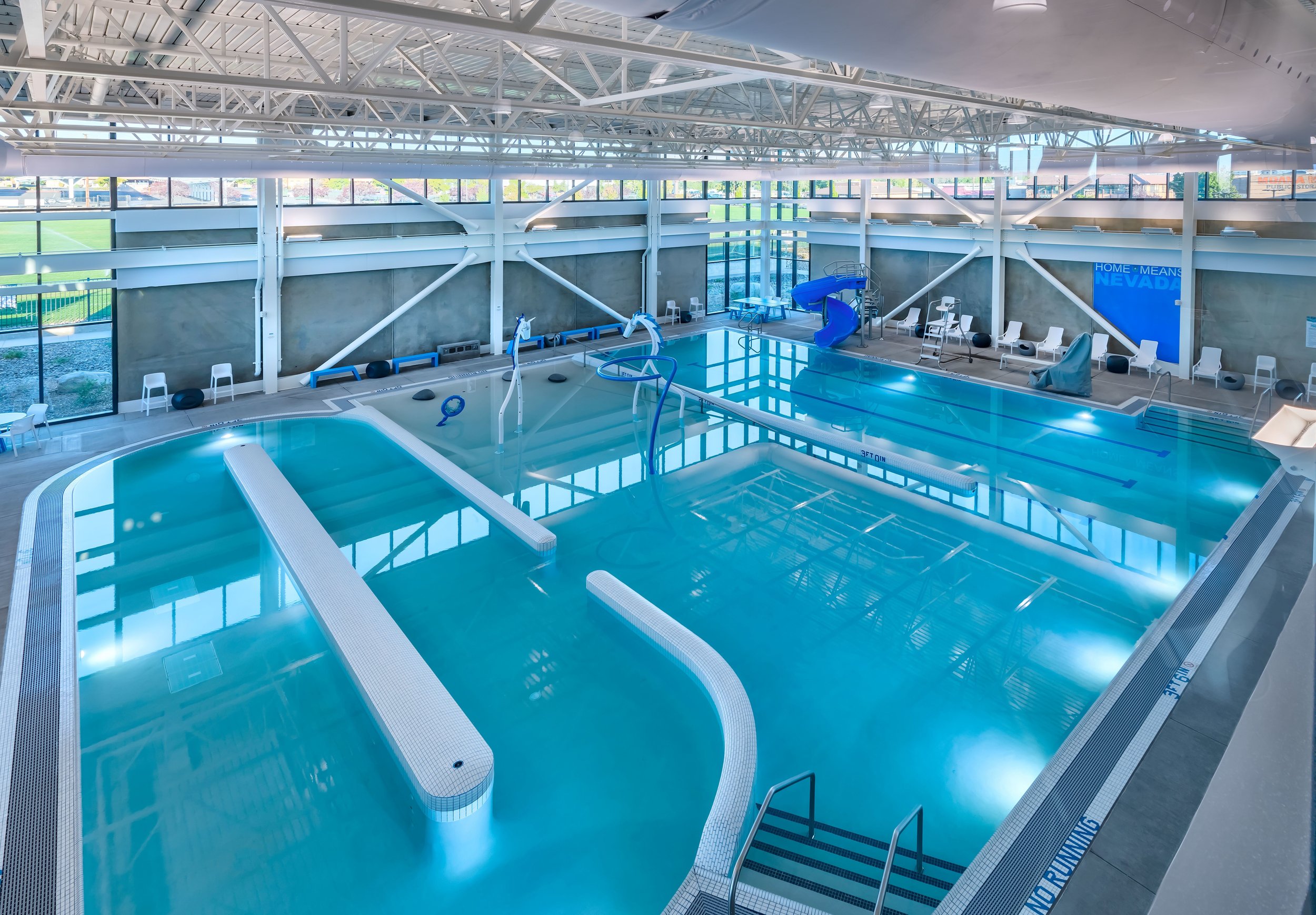
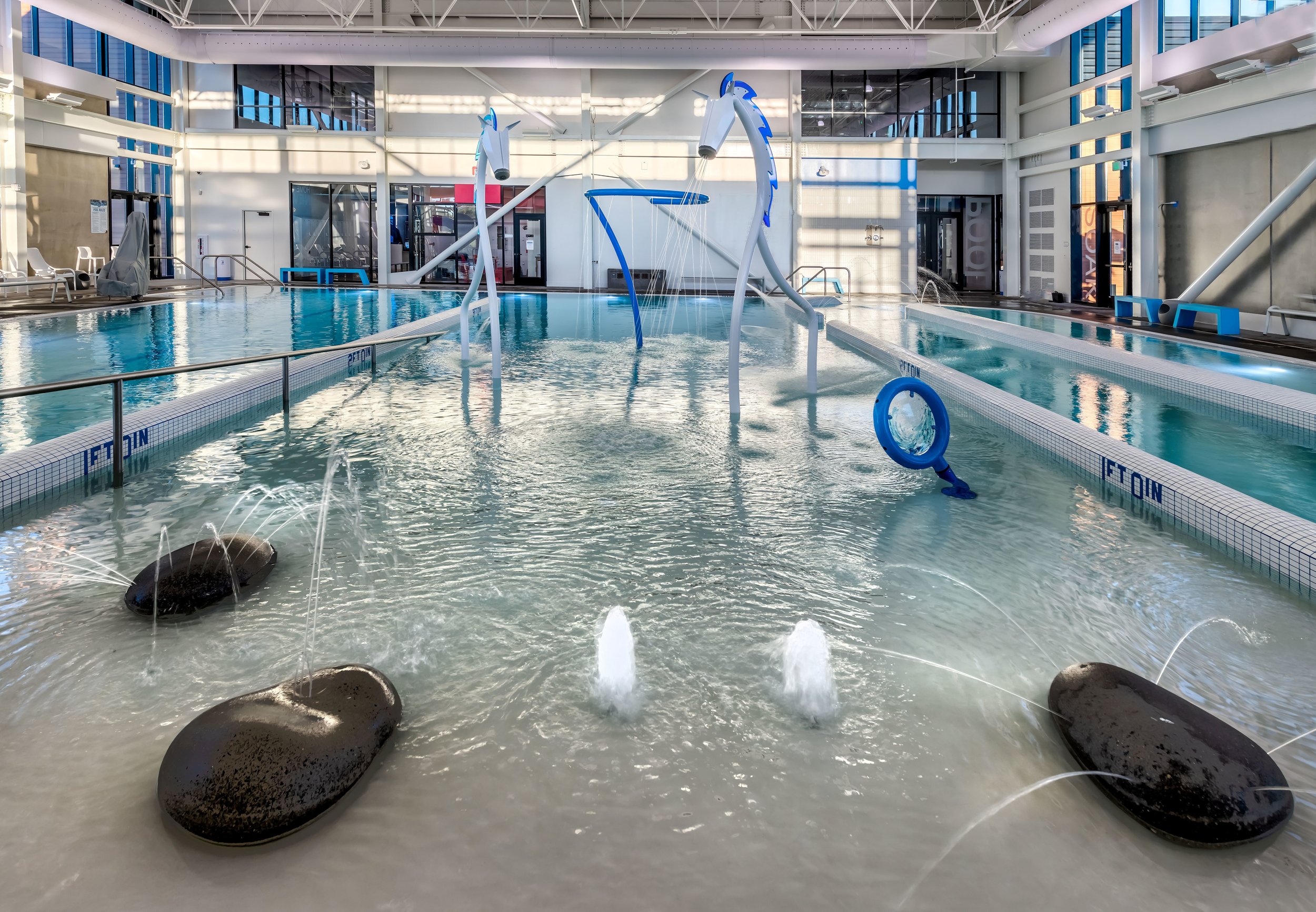
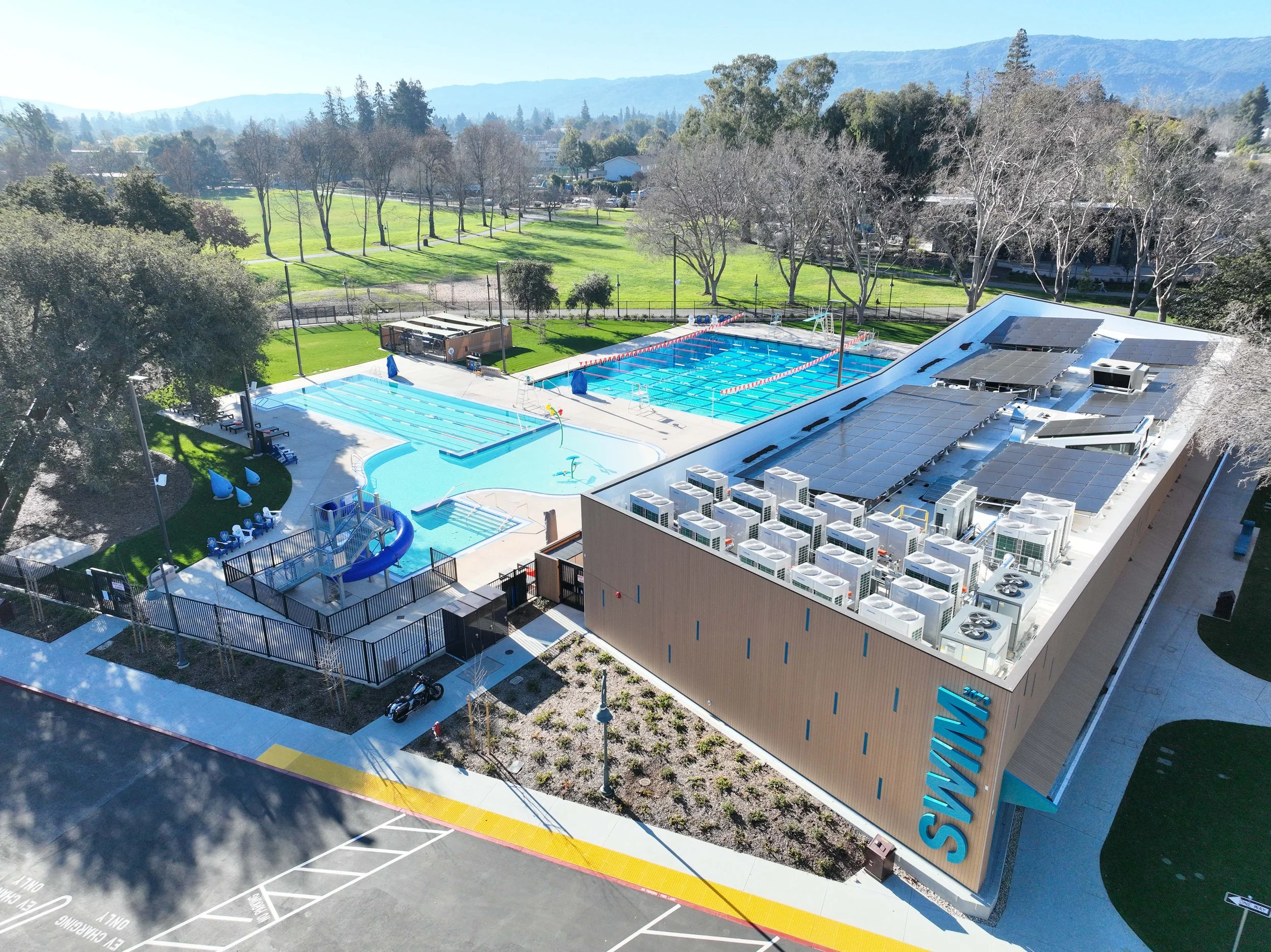
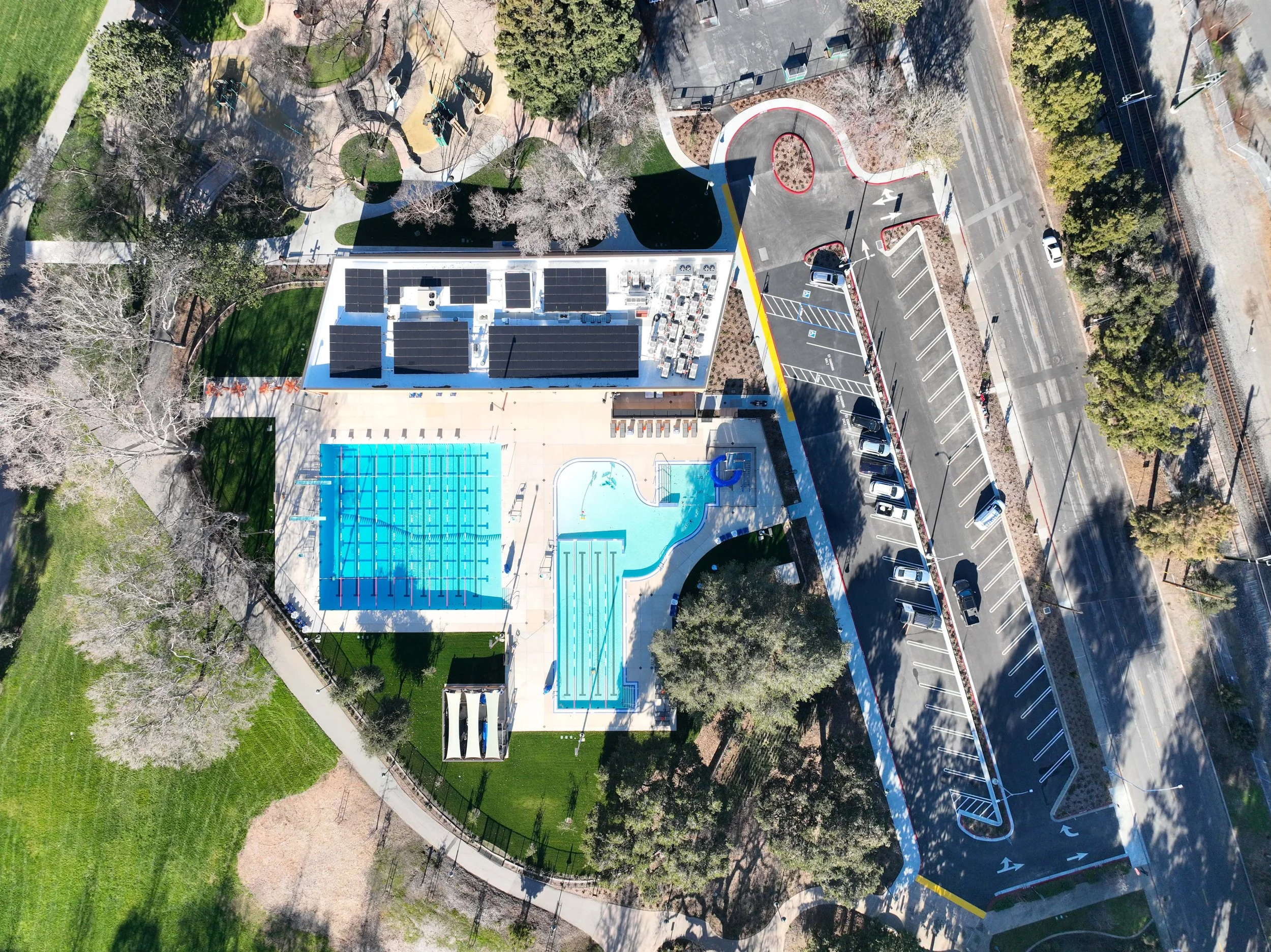
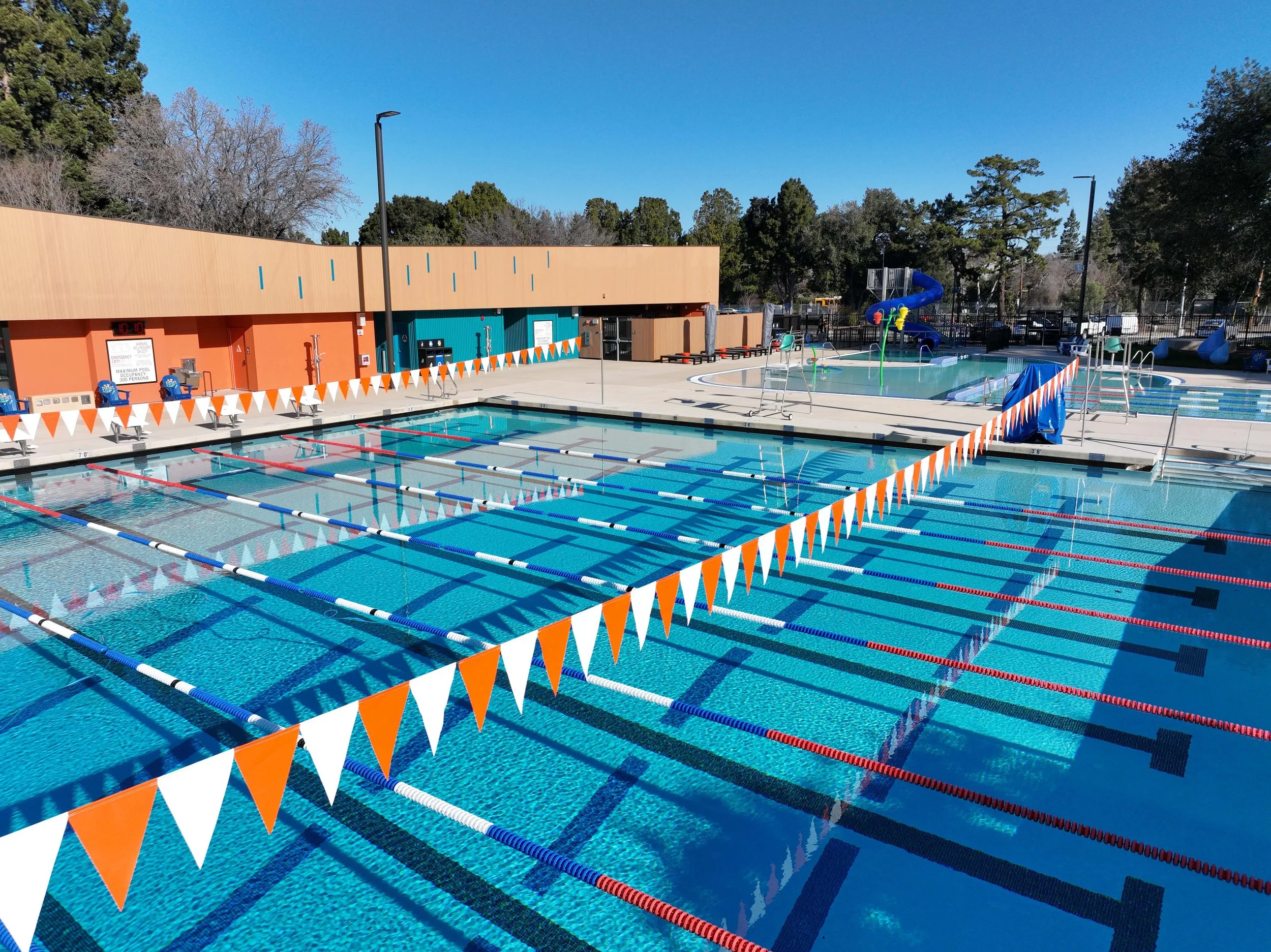
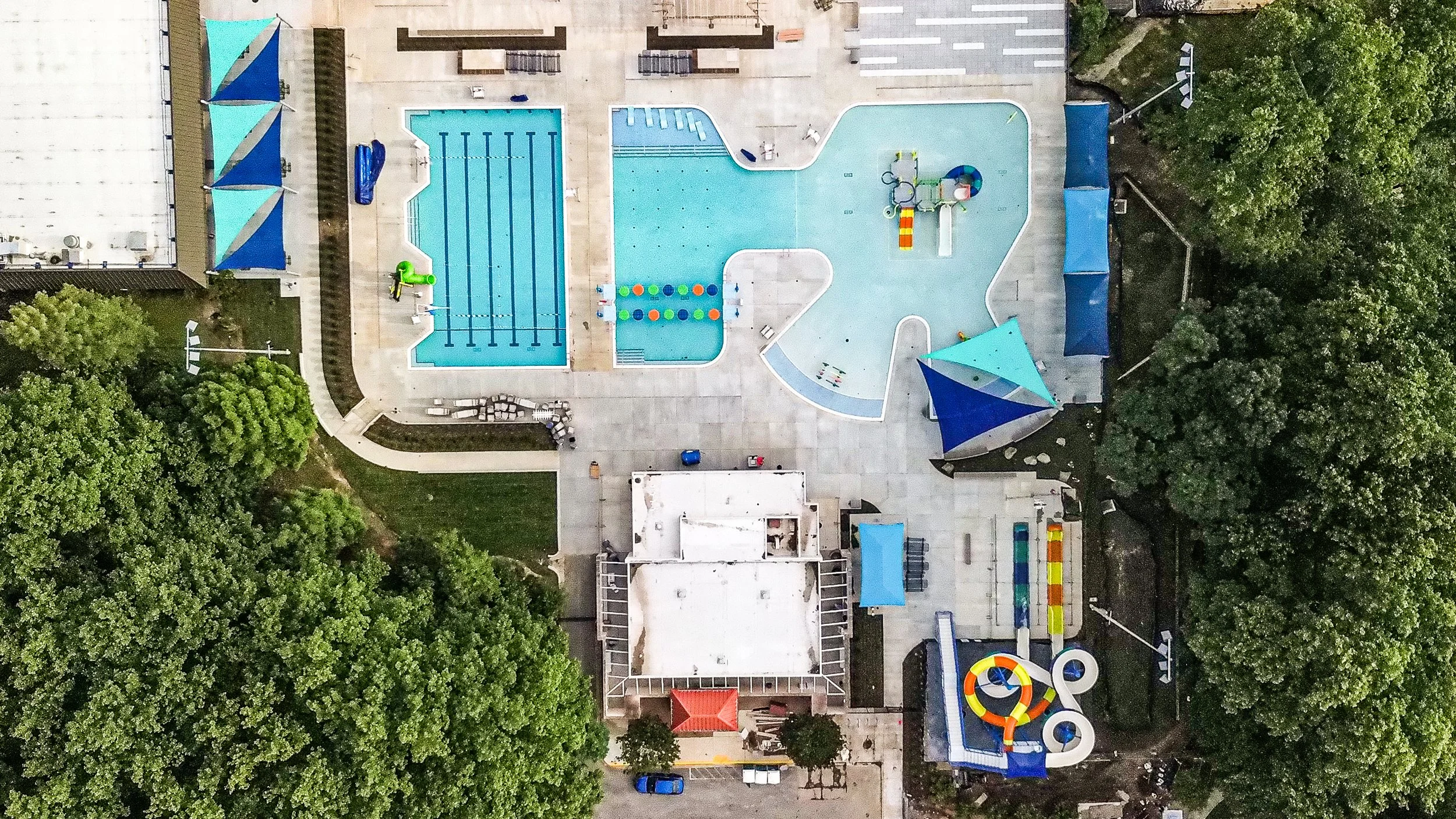
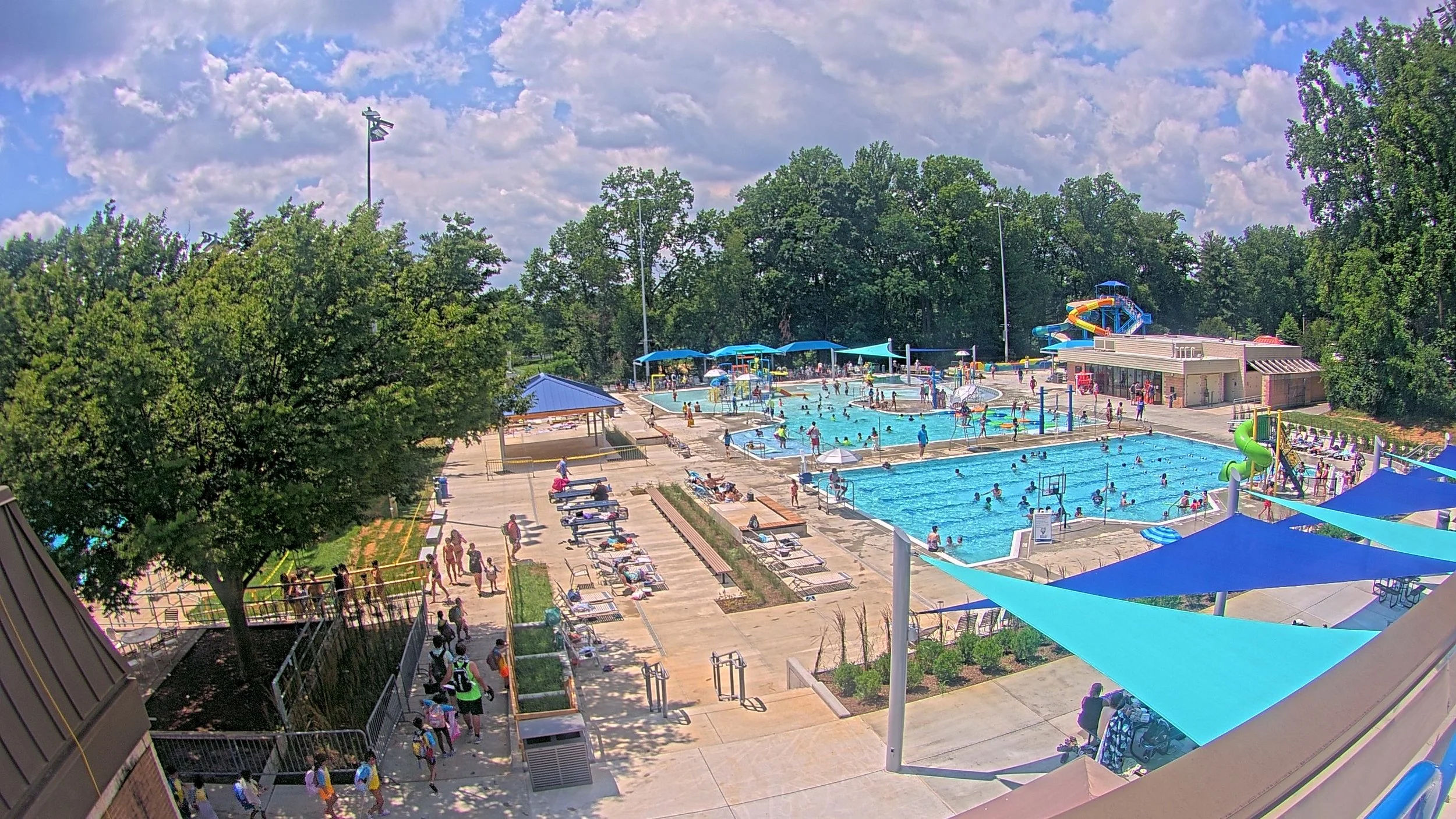
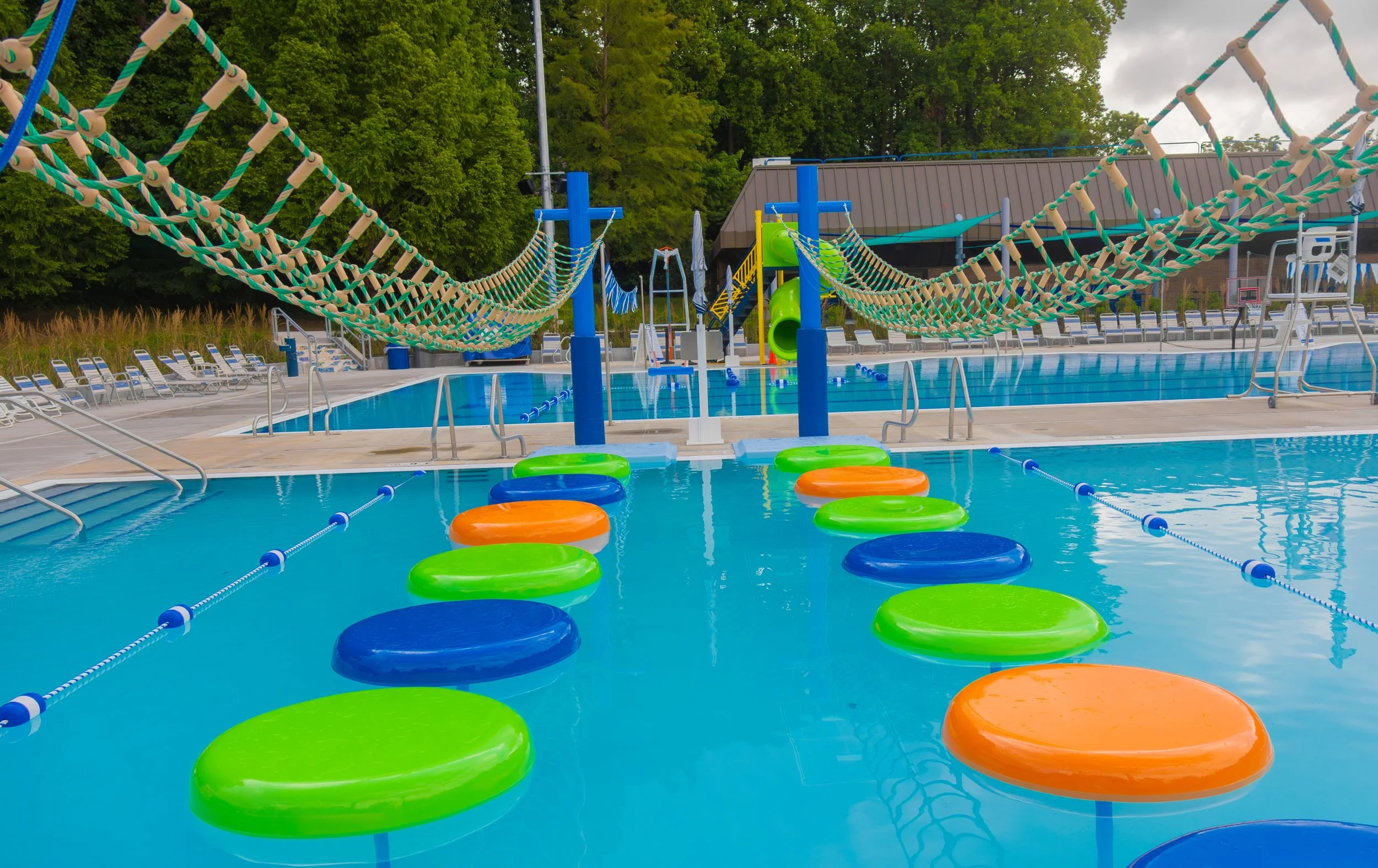
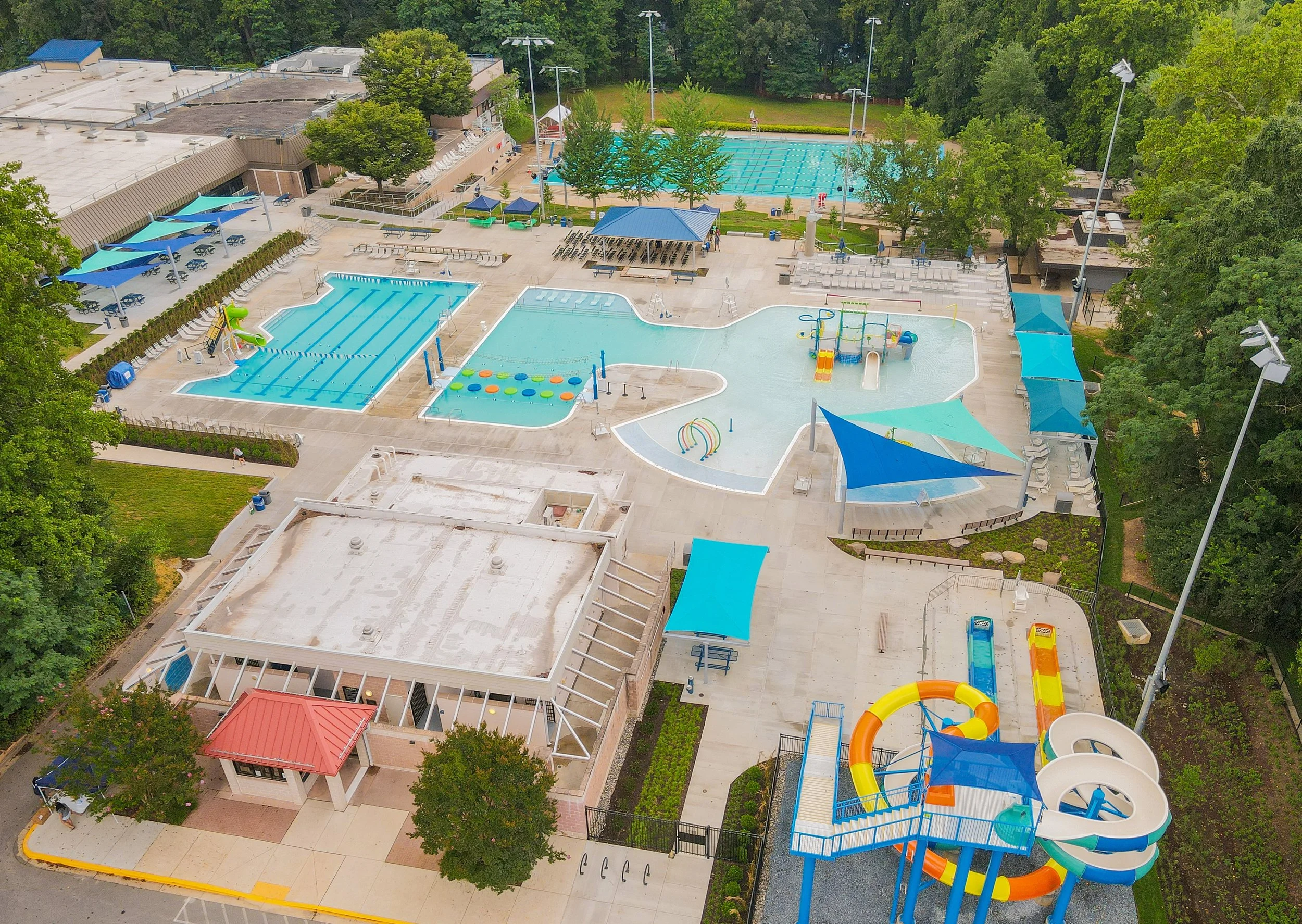
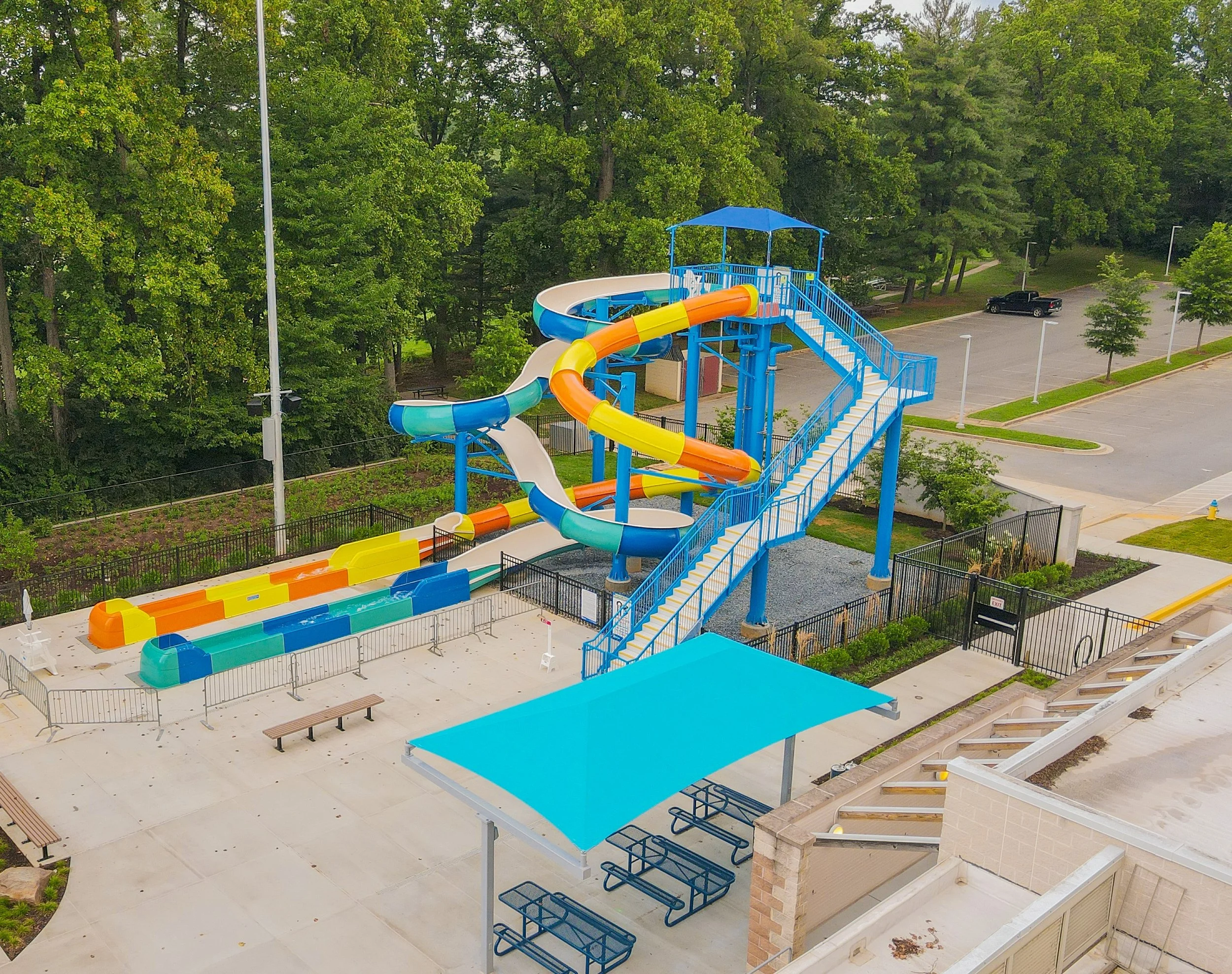
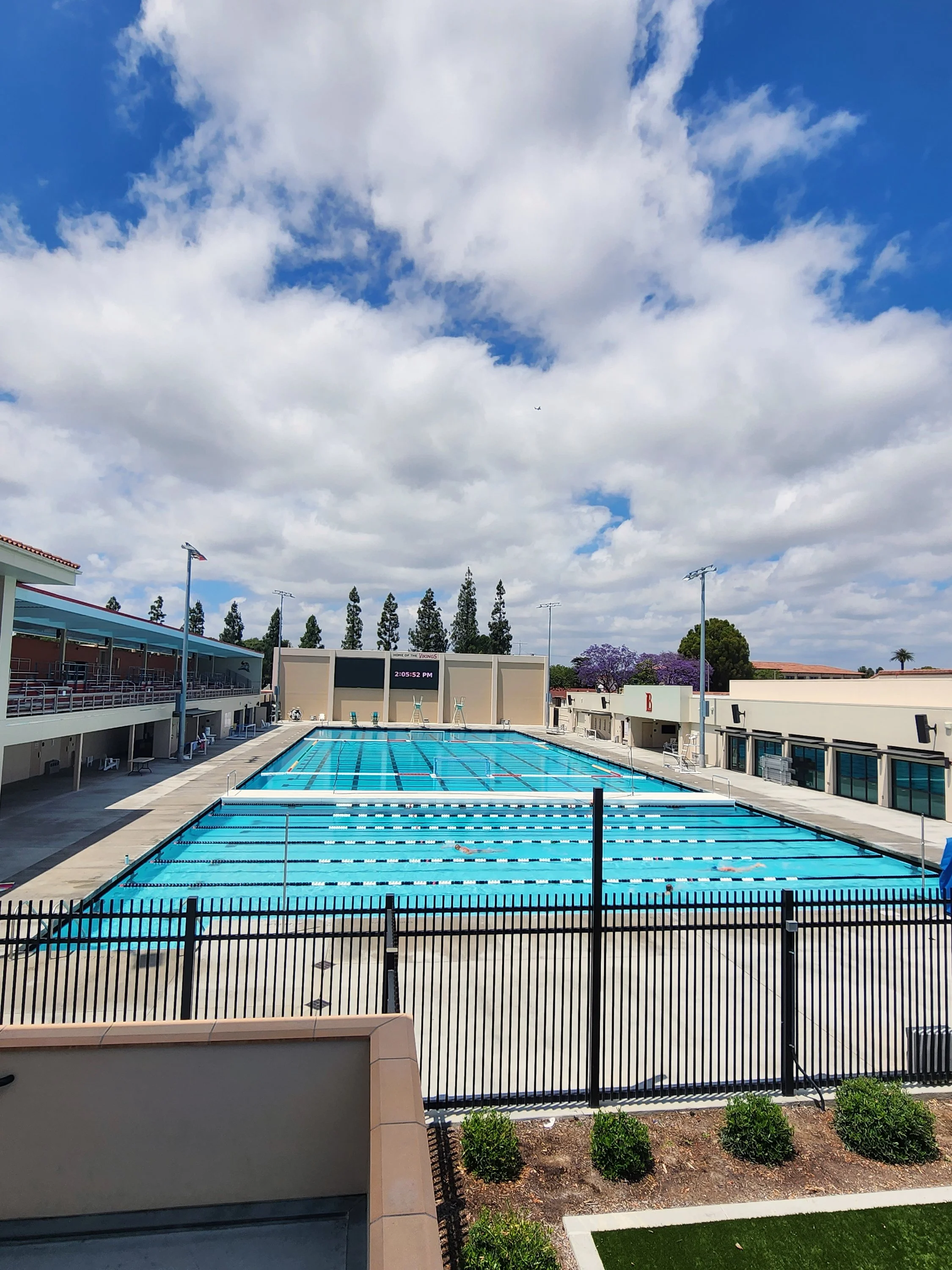
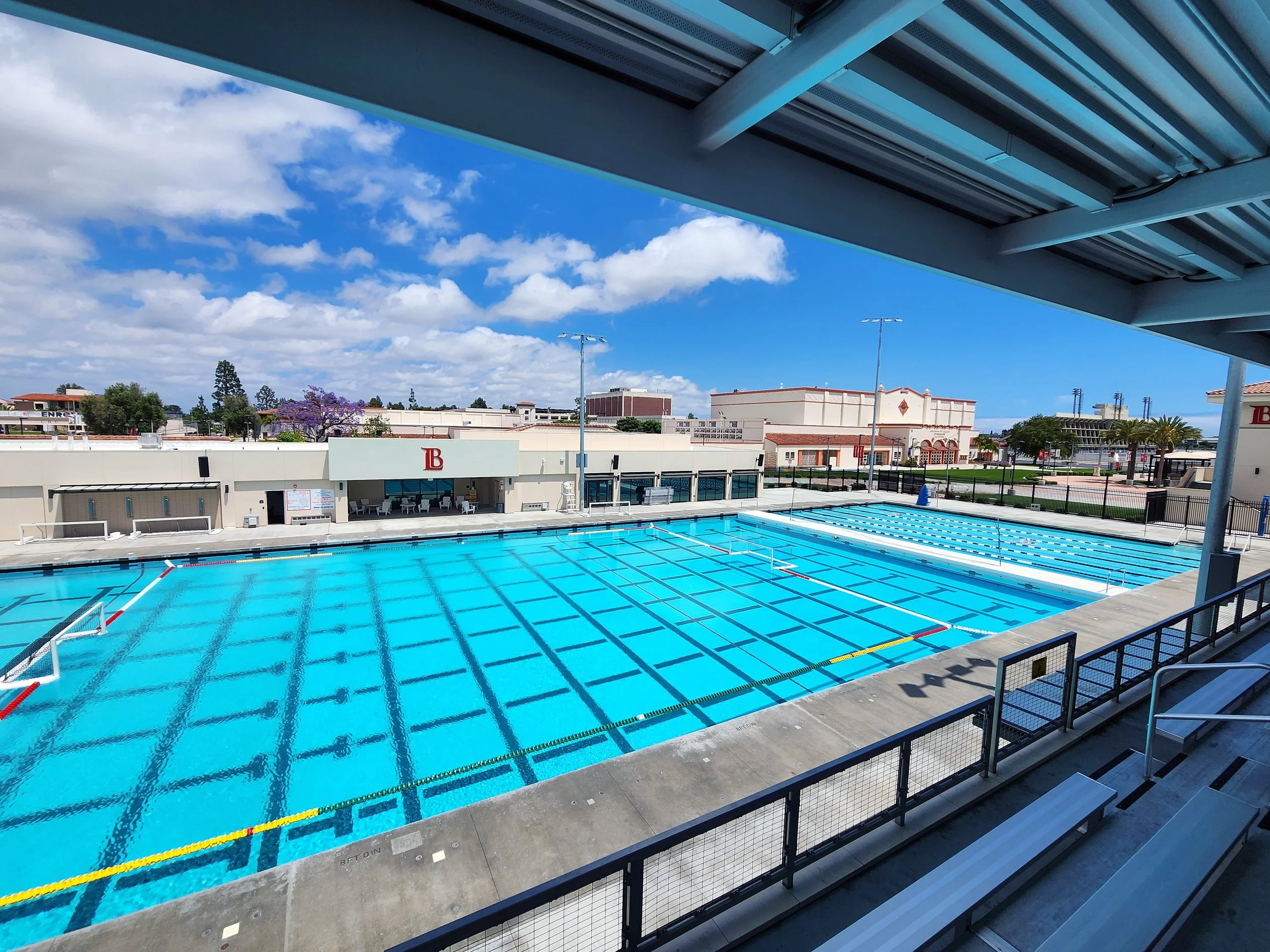
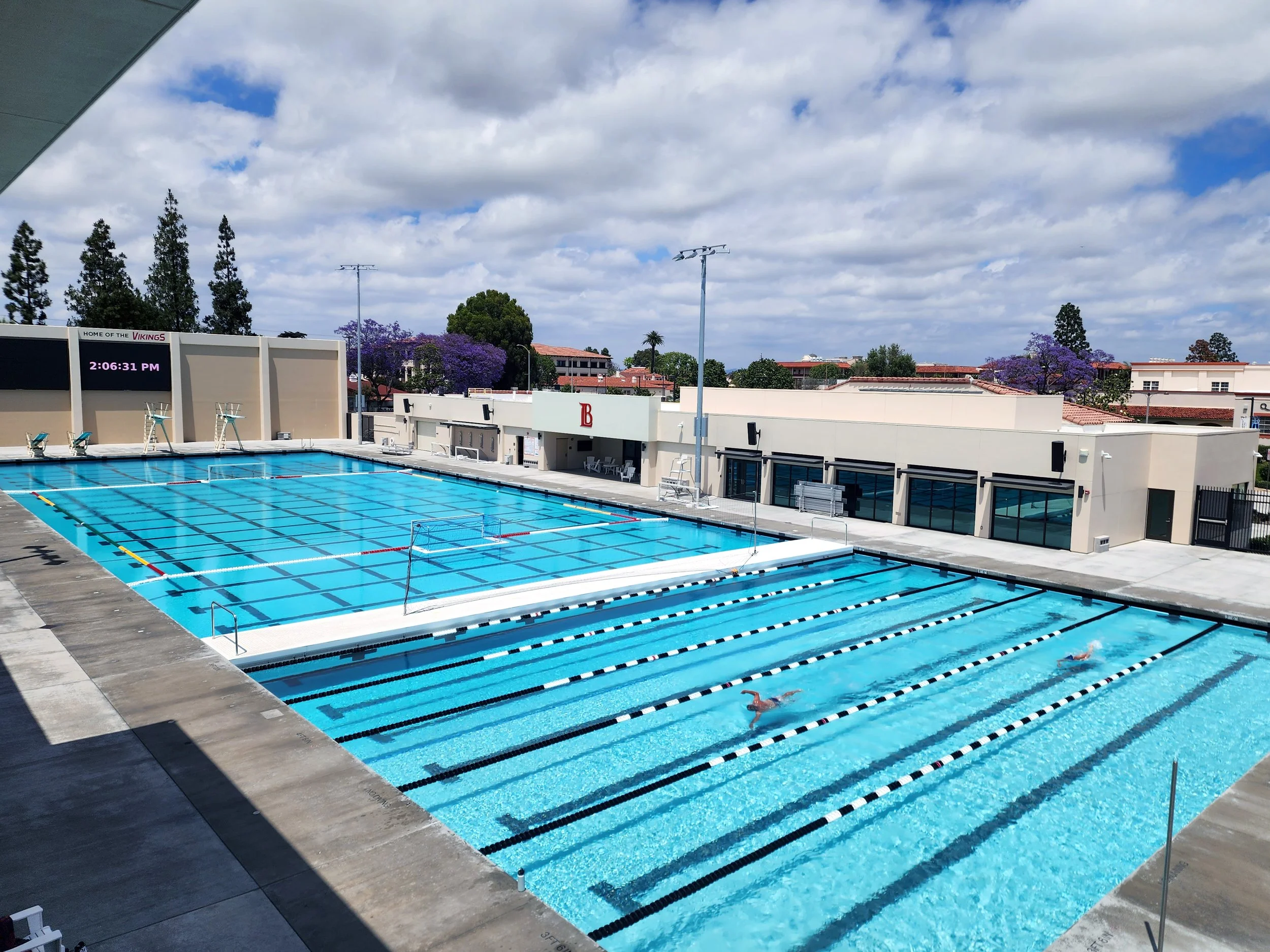
While the aesthetic appeal of a facility is important, the true value lies in its functional versatility. Departments can optimize their physical footprint to increase capacity or create variety of usage. Integrating a bulkhead in a competition pool allows for bifurcation of water space — enabling simultaneous, multipurpose programming. Similarly, repurposing underutilized deep-water zones into flexible-depth areas broadens programming potential. Transforming stagnant wading pools into interactive spray grounds can extend the operating season while simultaneously decreasing staffing needs. Furthermore, incorporating modern recreation assets — such as climbing walls, zip lines, log rolling or obstacle courses — can draw in younger, more active demographics.
Upgrading Amenities
Patron experience is equally critical to facility retention. Upgrading amenities can fundamentally alter how users perceive their environment. Modernizing dated spaces into ADA-compliant, gender-neutral or family-focused areas is an essential step toward modern accessibility standards. Adding lifts and double handrails to existing stairs ensures access for all community members. Additionally, moving from high-maintenance painted pool finishes to durable plaster and tile or using other restoration technologies serves both aesthetic and longevity objectives.
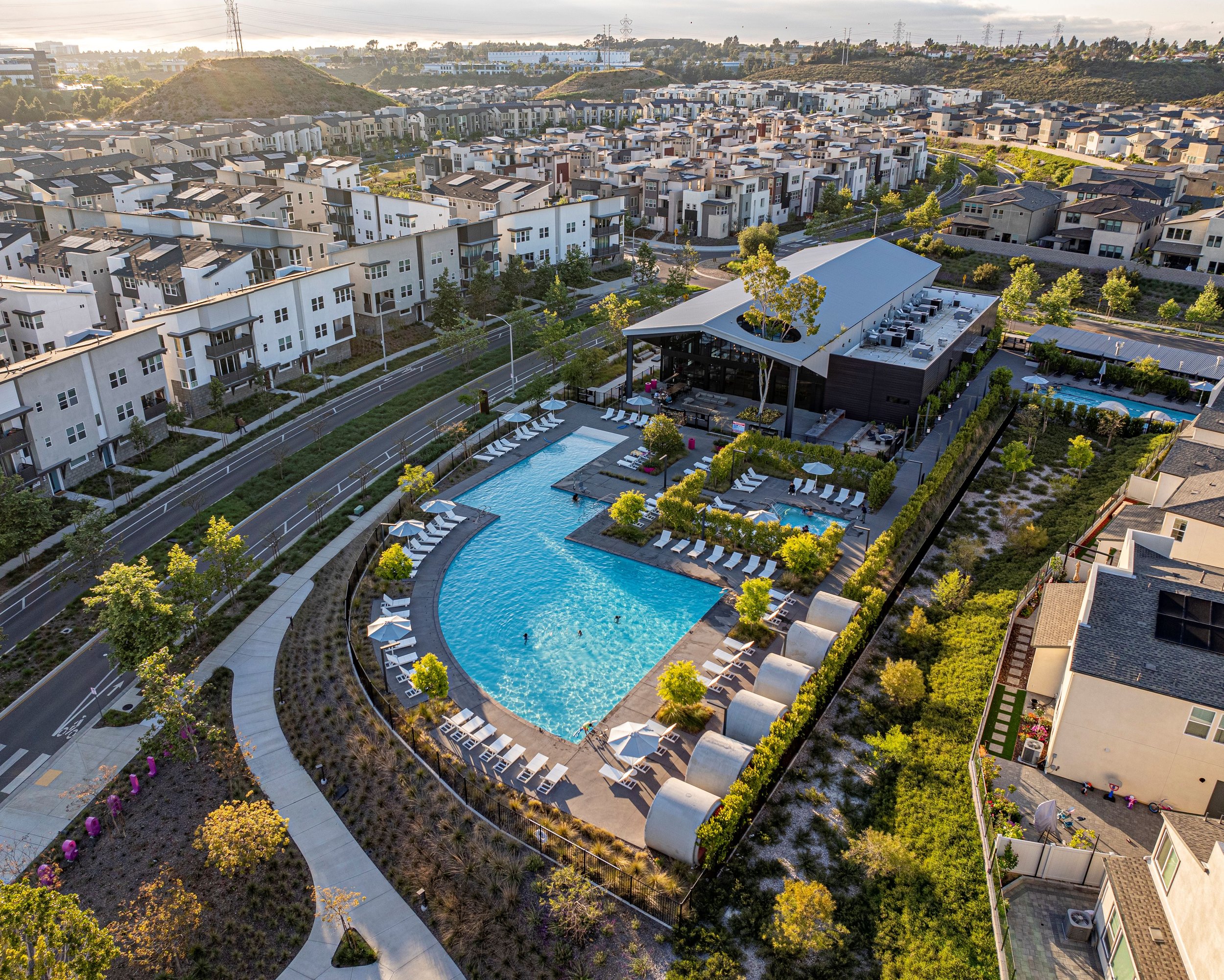
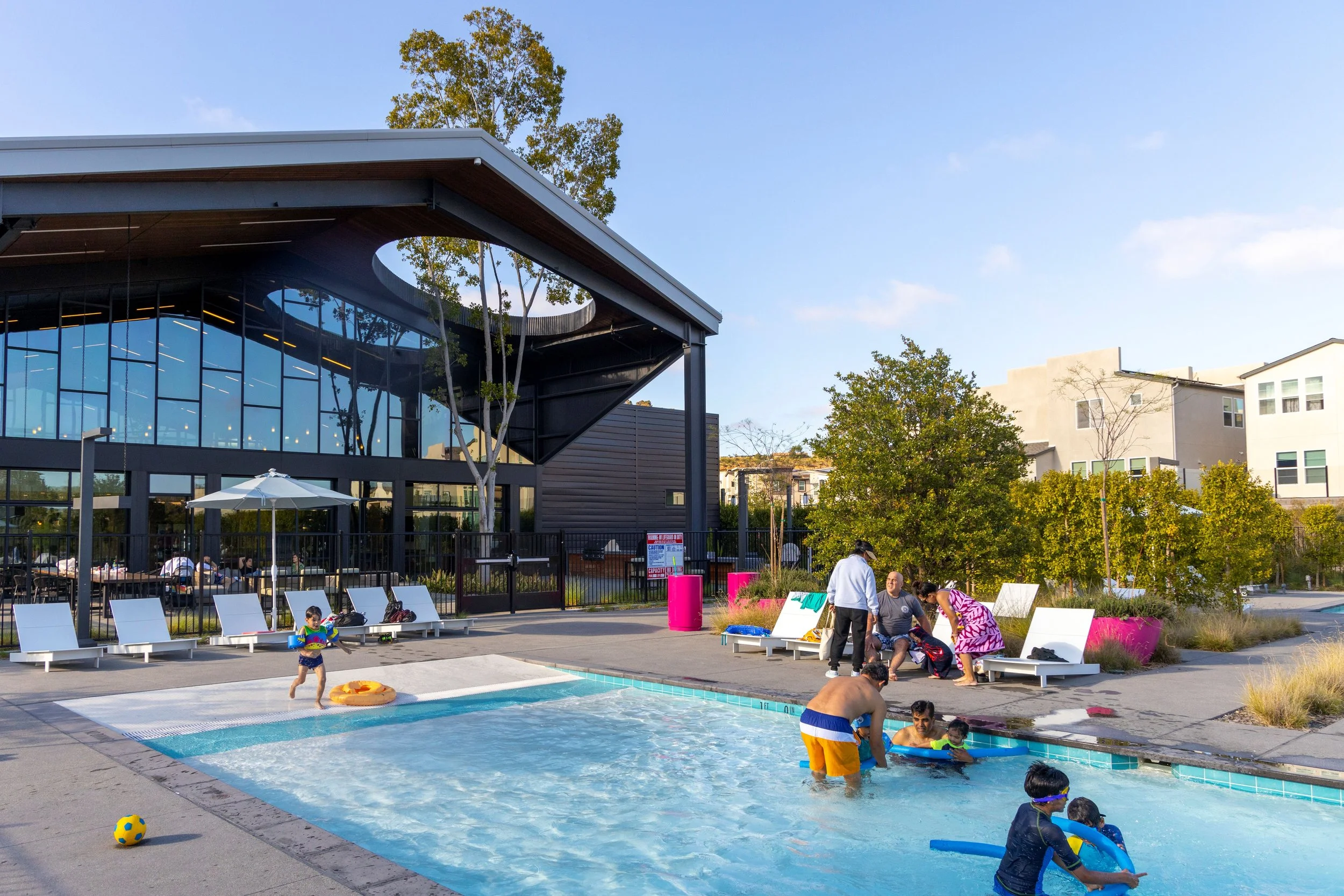
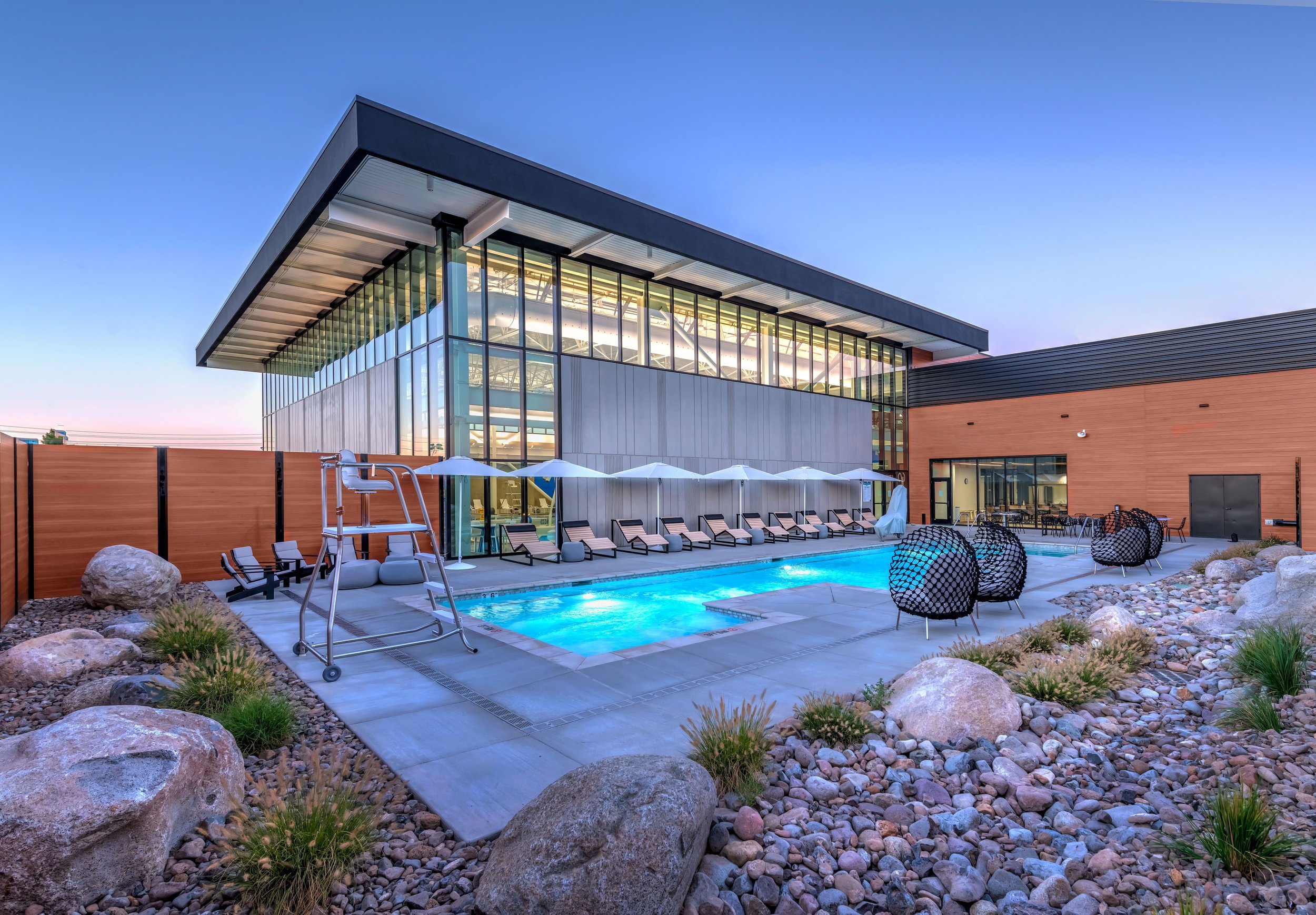
Outside of the pool, we also must consider the “dry-side” experience of the modern patron. In the past, a few concrete slabs and a chain-link fence were the standard, but today’s families view the aquatics center as a destination for the entire afternoon. Integrating cantilevered shade structures and flexible seating options — like modular lounge chairs rather than fixed benches — allows users to customize their environment. Dedicated private rental cabanas can provide a high-end feel while providing consistent non-programmatic revenue. Additionally, in an era of remote work and digital connectivity, providing high-speed public Wi-Fi is no longer a luxury; it is a necessity for the parent who needs to bridge the gap between their professional responsibilities and a family outing. These comfort-driven amenities help transform the pool experience for the modern user.
Considering Efficiency
Operational efficiency remains the cornerstone of fiscal sustainability. Modernizing water chemistry and filtration — switching from diatomaceous earth to regenerative media or high-rate sand to activated filtration media, updating chlorine delivery systems, and adding UV and CO2 treatment — can reduce operating costs, improve water chemistry and ultimately streamline maintenance efforts. Reducing utility overhead through the implementation of variable frequence drives, alternative heat sources and LED underwater are smart options for a fiscally sound and sustainably focused longevity. Pair these with mechanical upgrades with comprehensive controller modernization to allow for real-time monitoring and data-driven operational adjustments.
The transition from a legacy facility to a timeless community hub is not merely a project of renovation; it is a commitment to relevance. By addressing special flexibility, welcoming amenities and operational efficiency, aquatics centers can be transformed from aging infrastructures into high-performance assets. Back at our crowded Tuesday afternoon pool, these changes mean the swim team has their lanes, the toddlers have their spray features and the older adults have their quiet space — all within the same footprint. The goal is not simply to maintain the condition of a pool, but to continue to grow and evolve into a resource that meets the changing recreational mandates of the next generation. For the forward-thinking agency, these retrofits represent more than just cost-saving measures — they are the key to ensuring your aquatics program remains the heartbeat of your community.
Alecia Stegenga is a Project Manager at Aquatic Design Group.