
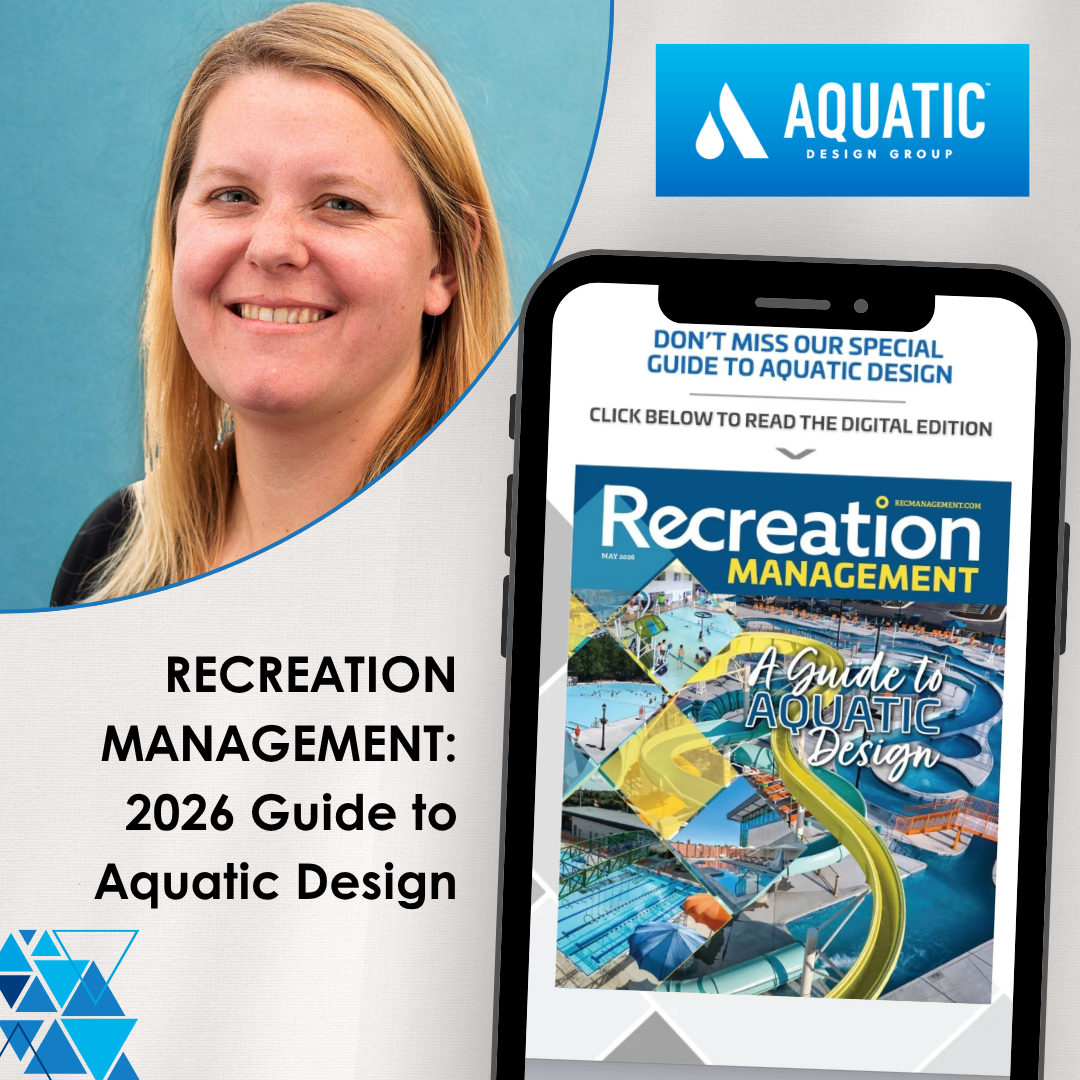
Aquatic Design Group’s Alecia Stegenga was recently featured throughout Recreation Management’s May 2026 Supplement, A Guide to Aquatic Design, with ADG expertise and project work included in multiple articles exploring the evolution of community pools, natatoriums, and modern aquatic facility design.
The issue highlights many of the forces shaping today’s aquatic environments, including flexible programming, universal design, competition pool performance, recreation amenities, community wellness, safety, and long-term operational value. For Aquatic Design Group, these themes reflect the same priorities that guide our work across municipal, K-12, higher education, recreation, wellness, and competitive aquatic facilities.
Recreation Management’s Guide to Aquatic Design reinforces a major shift in the industry: aquatic facilities are being asked to do more than ever. Today’s pools must serve competitive athletes, families, beginners, seniors, people with disabilities, fitness users, therapy participants, and community members looking for places to gather.
That means successful aquatic design must account for:
Flexible pool programming
Universal and inclusive design
Competition standards and fast-water performance
Lifeguard sightlines and safety
Water temperature variation
Air and water quality
Shade, comfort, and social space
Long-term operations and maintenance
Community engagement and public input
Revenue-generating amenities and programming
These are not isolated design choices. They are connected decisions that influence how a facility performs for decades, and we’re grateful for the opportunity to contribute to important conversations about the future of aquatic facilities. From the Moana Springs Community Aquatics and Fitness Center in Reno to natatoriums, recreation pools, spray grounds, water features, competition pools, and wellness-focused aquatic environments across the country, Aquatic Design Group remains committed to helping communities create places that are safe, sustainable, flexible, inclusive, and built around the people who use them.
Thank you to Recreation Management for featuring Aquatic Design Group, Alecia Stegenga, and the Moana Springs Community Aquatics and Fitness Center in this issue.
The evolution of the local pool (pg. 14)
In The Evolution of the Local Pool, Recreation Management examines how community pools have changed from simple swimming venues into inclusive, multigenerational destinations. The article features insight from Aquatic Design Group Project Manager Alecia Stegenga discussing the growing emphasis on biophilic design, clean sightlines, high-quality finishes, universal access, shade, social zones, and aquatic spaces that serve the entire community.
Alecia notes that modern aquatic centers are no longer designed only around the pool user. They are increasingly planned as community wellness hubs, with open layouts that support lifeguard visibility, flexible programming, and meaningful social connection.
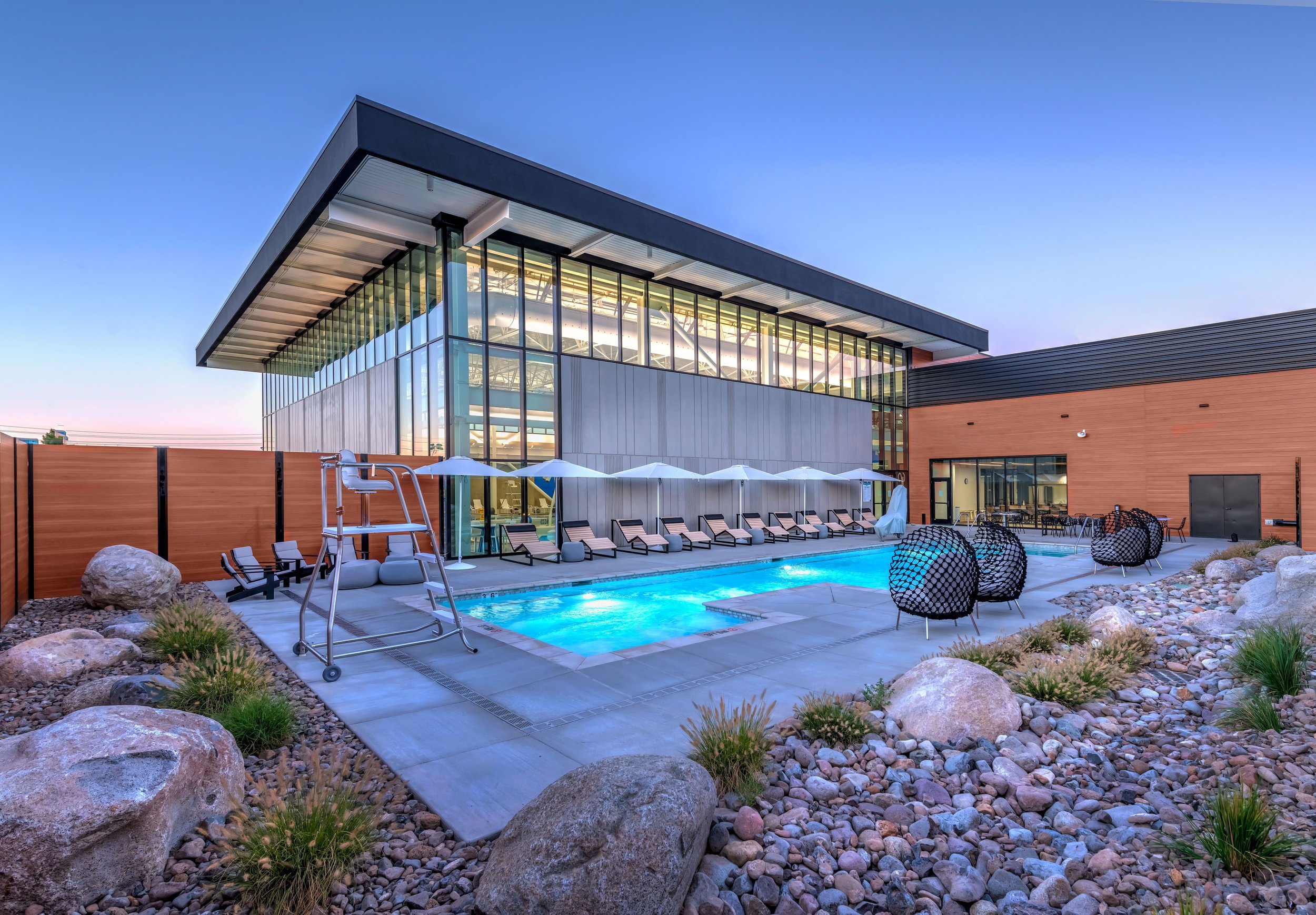
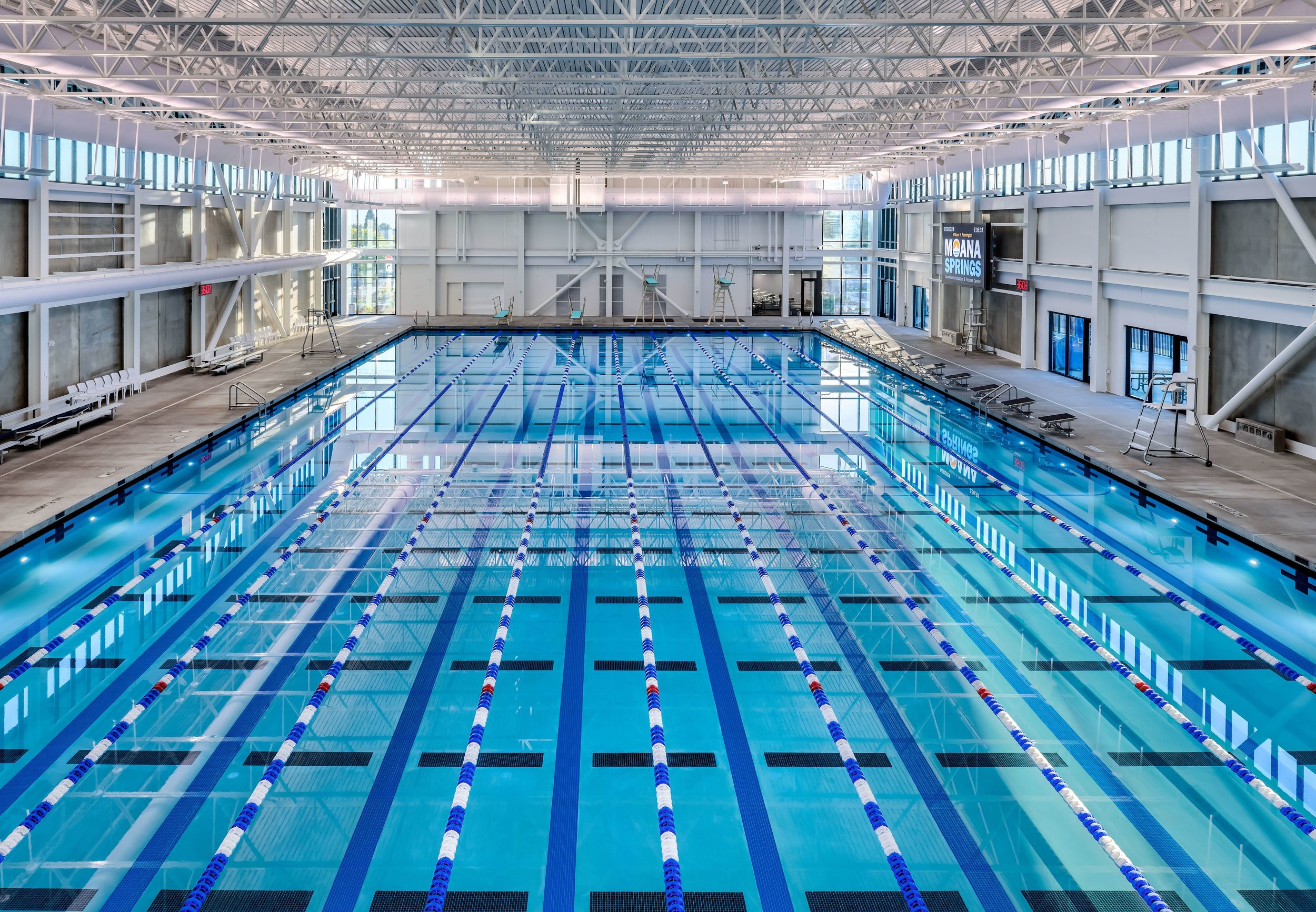
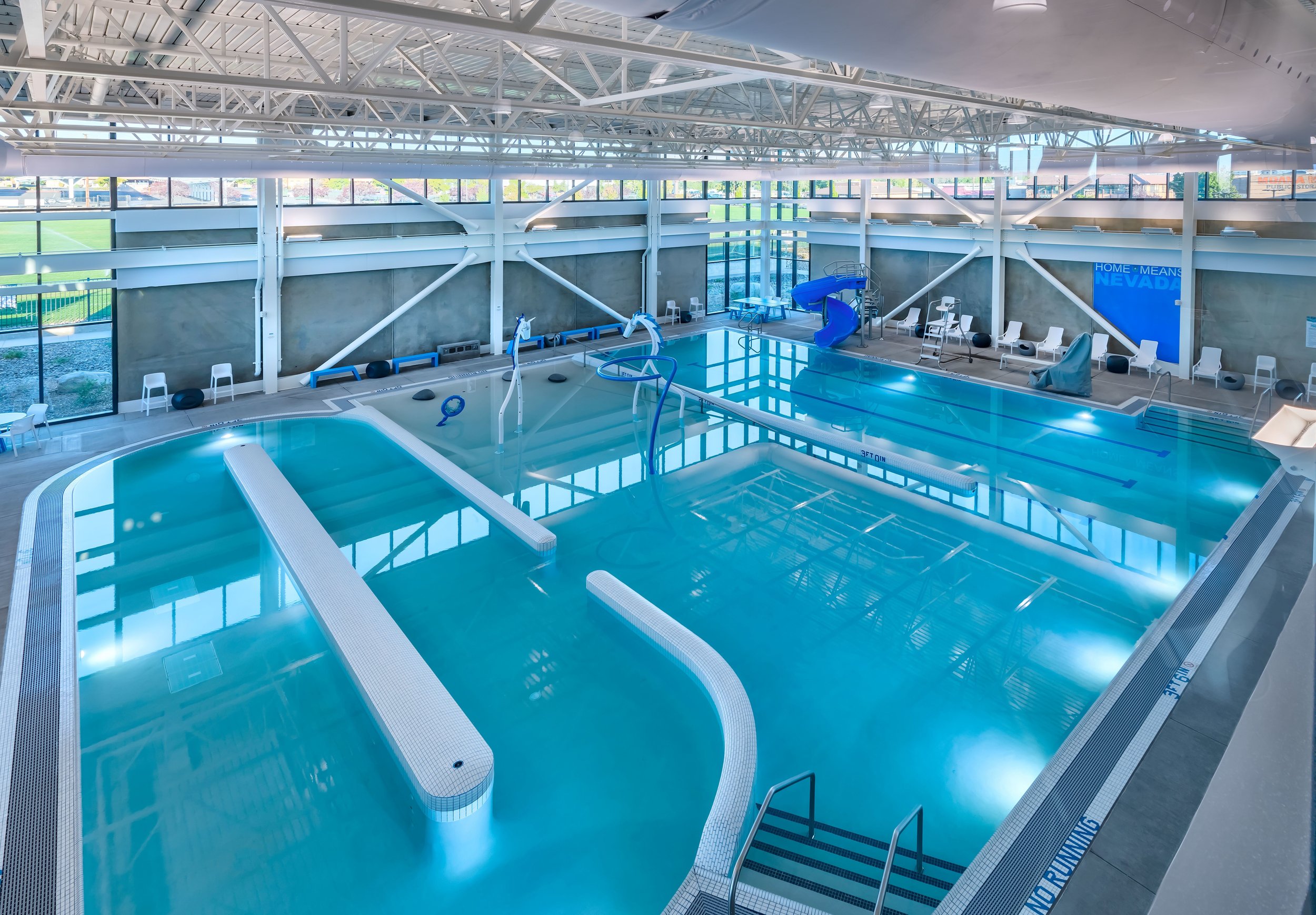
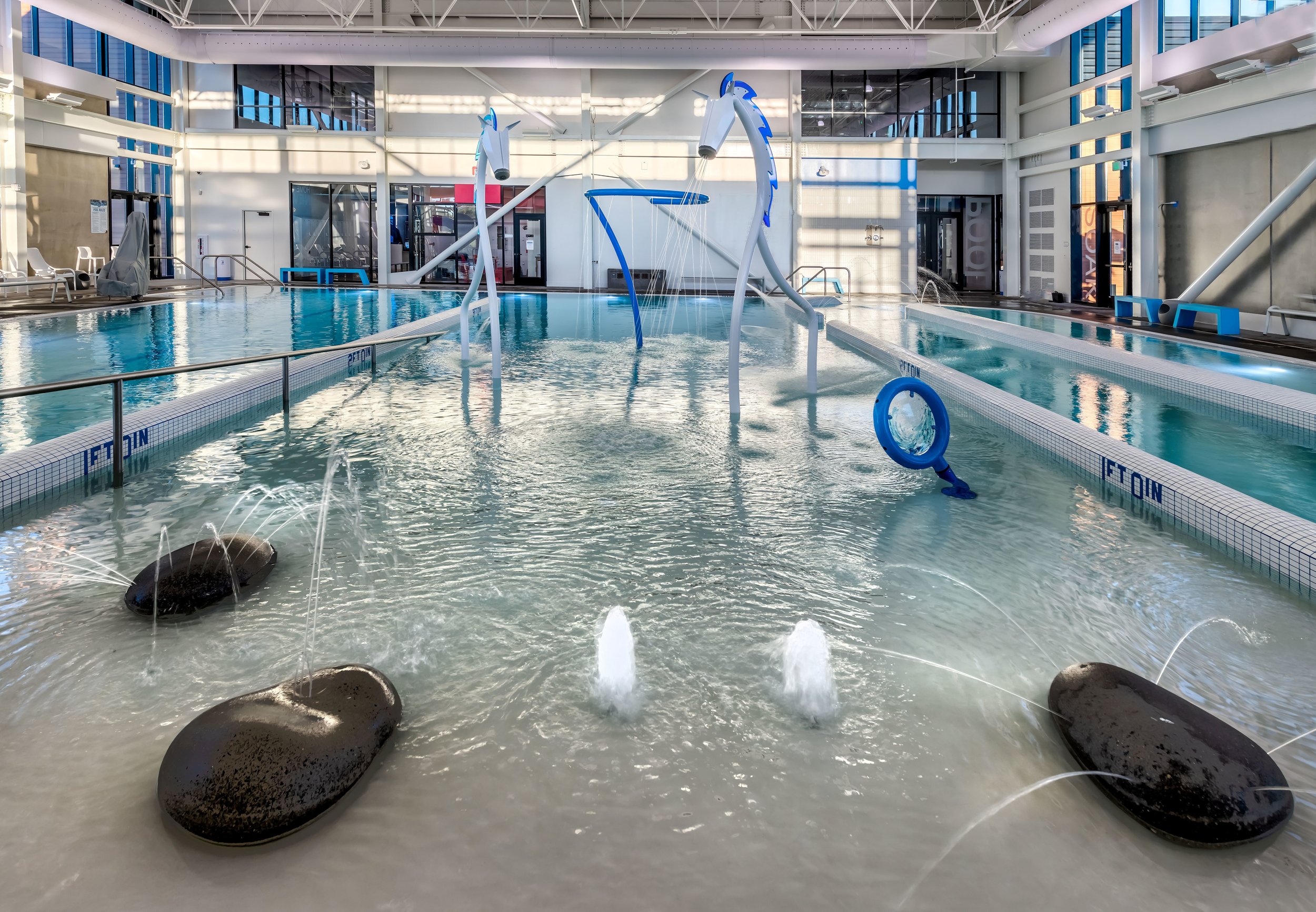
The article also highlights Aquatic Design Group’s William N. Pennington Moana Springs Community Aquatics and Fitness Center in Reno, Nevada. Moana Springs is especially meaningful because it represents the return of aquatics to a beloved community site. The original Moana Pool first opened in 1960 and later closed in 2007. The new facility officially opened in 2024, bringing year-round aquatics, fitness, lessons, recreation, wellness, and competitive swimming opportunities back to the community. Moana Springs demonstrates how a public aquatic facility can support diverse needs within one cohesive environment. Competitive swimmers, families, lap swimmers, fitness users, seniors, therapy users, and community groups can all find appropriate water within the same facility. That blend of competition, recreation, wellness, and accessibility is central to the future of municipal aquatic design.
Faster Water Meets Flexibility & Fun (Pg. 24)
Aquatic Design Group was also featured in Faster Water Meets Flexibility & Fun, focused on the evolution of competitive natatorium design. The piece explores how modern natatoriums must support fast water, athlete performance, spectator comfort, flexible programming, air and water quality, and long-term operational efficiency.
Alecia Stegenga shared perspective on how natatoriums are increasingly bridging the gap between competition pools and community aquatic centers. She discusses the importance of designing aquatic spaces that can support swim meets and training while also creating opportunities for therapy, recreation, wellness, multipurpose programming, and revenue generation. The article also includes photography of the Moana Springs Aquatic Center, further underscoring our experience with complex aquatic environments that must balance performance, flexibility, safety, and community use.
Alecia Stegenga is a Project Manager at Aquatic Design Group.